Teensy 4.0 ESP32 Breakout Board
author: blackketter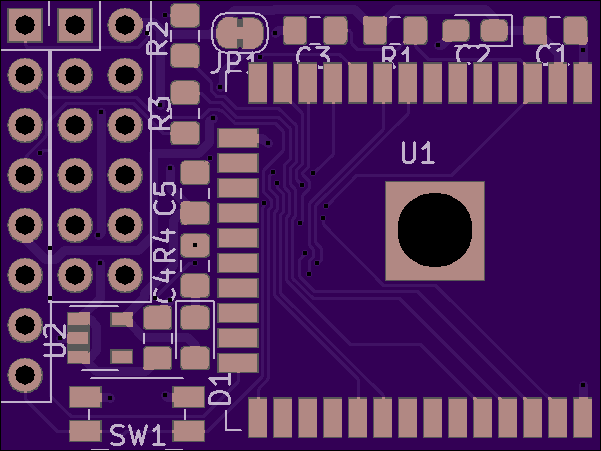
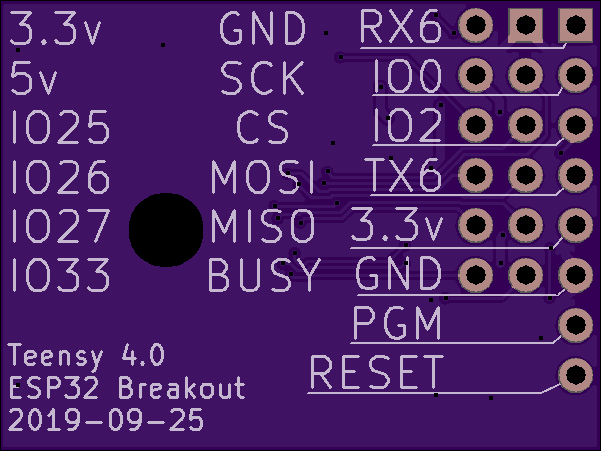
2 layer board of 1.20 x 0.90 inches (30.5 x 22.9 mm)
Uploaded:
September 25, 2019
Shared:
September 25, 2019
Total Price:
$5.40
For use with Teensy 4.0 Breakout Board
For use with Teensy 4.0 Breakout Board
Stanley A Meyer Safety Card GMS Gas Management System
author: SecureSupplies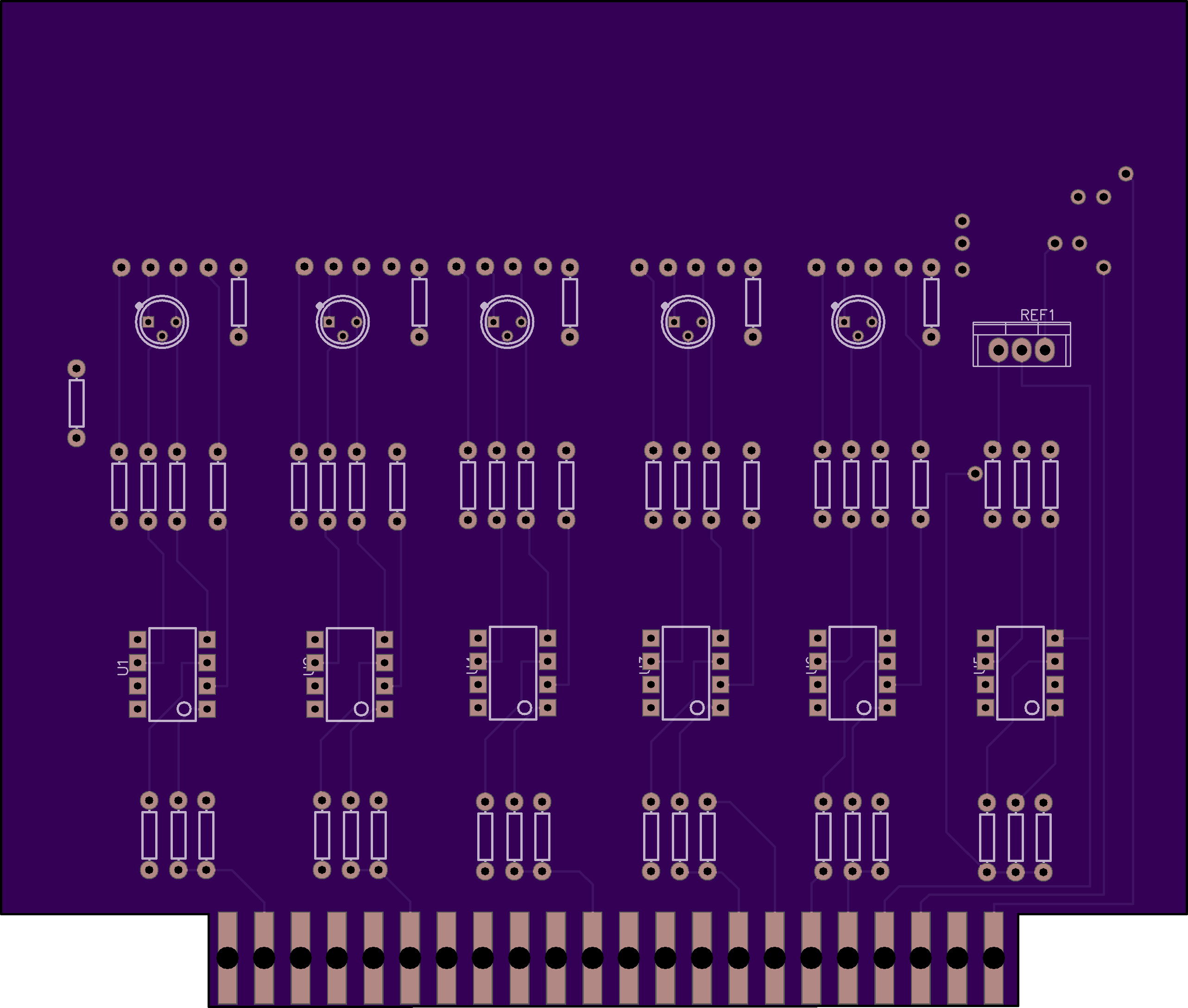

2 layer board of 5.13 x 4.35 inches (130.3 x 110.5 mm)
Uploaded:
September 25, 2019
Shared:
September 25, 2019
Total Price:
$111.55
Stanley A Meter Safety Card GMS Gas Management System www.stanleyameyer.com
Stanley A Meter Safety Card GMS Gas Management System www.stanleyameyer.com
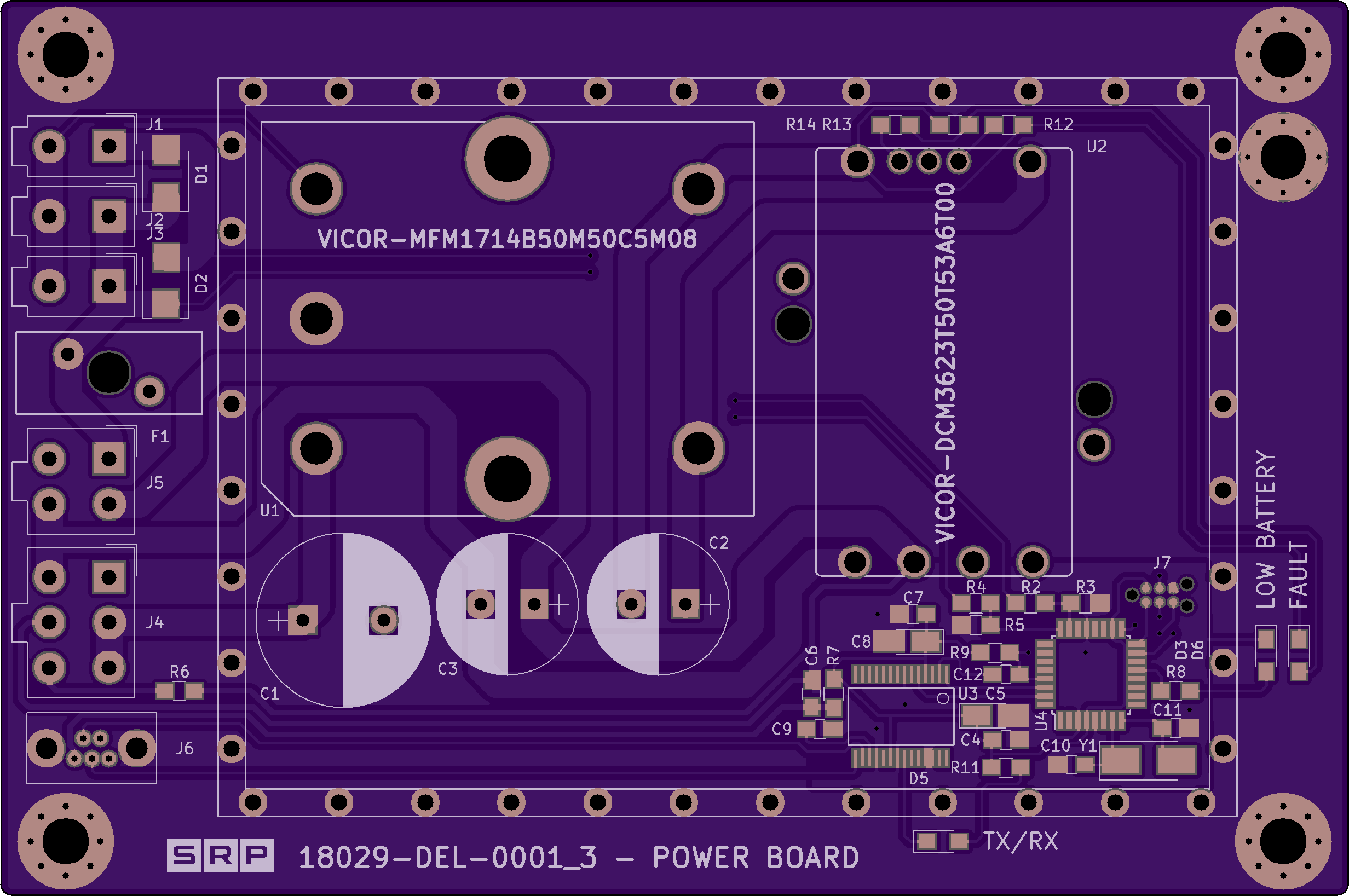
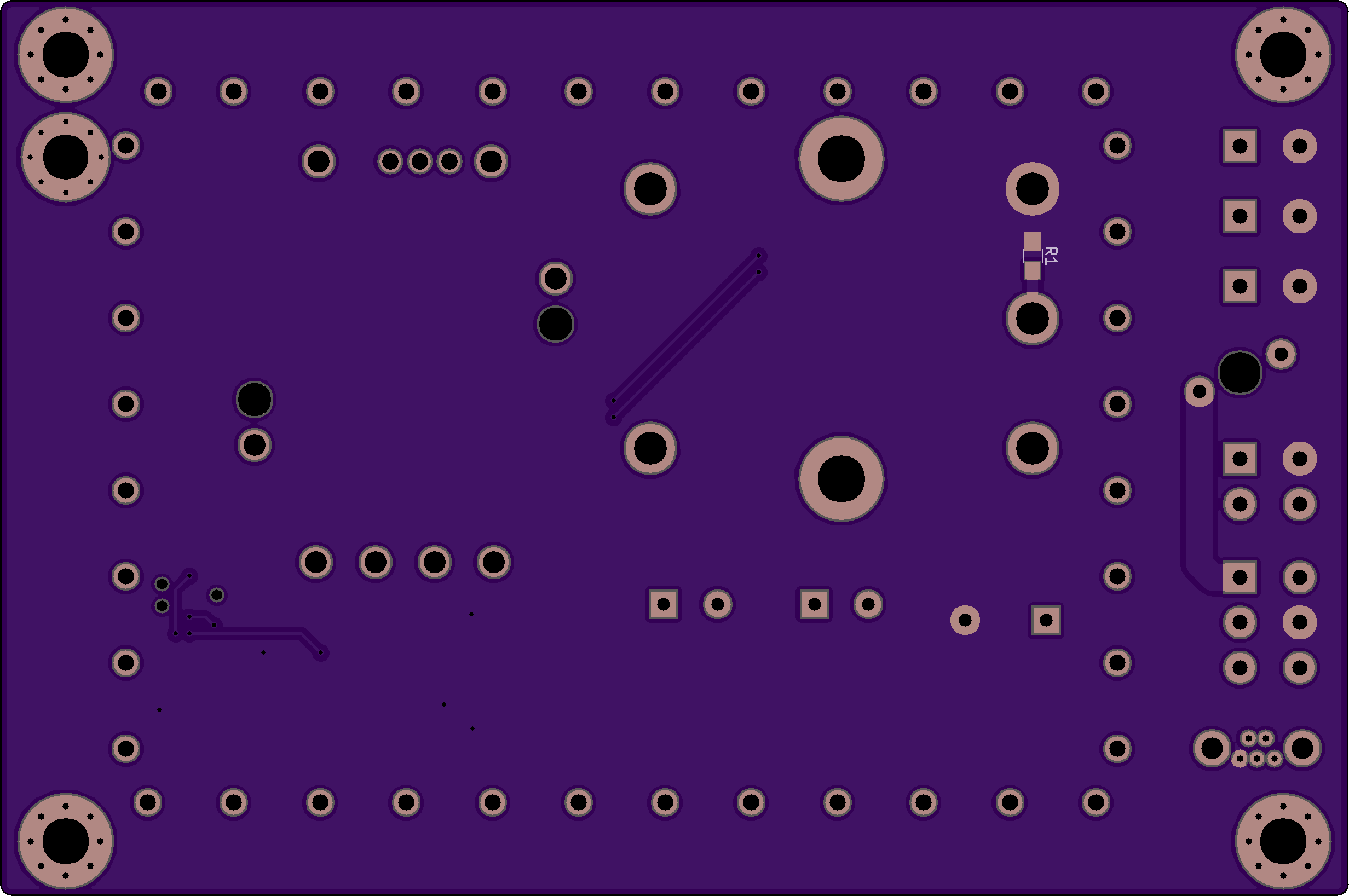
MM phlat power 1.0.1
author: rsdio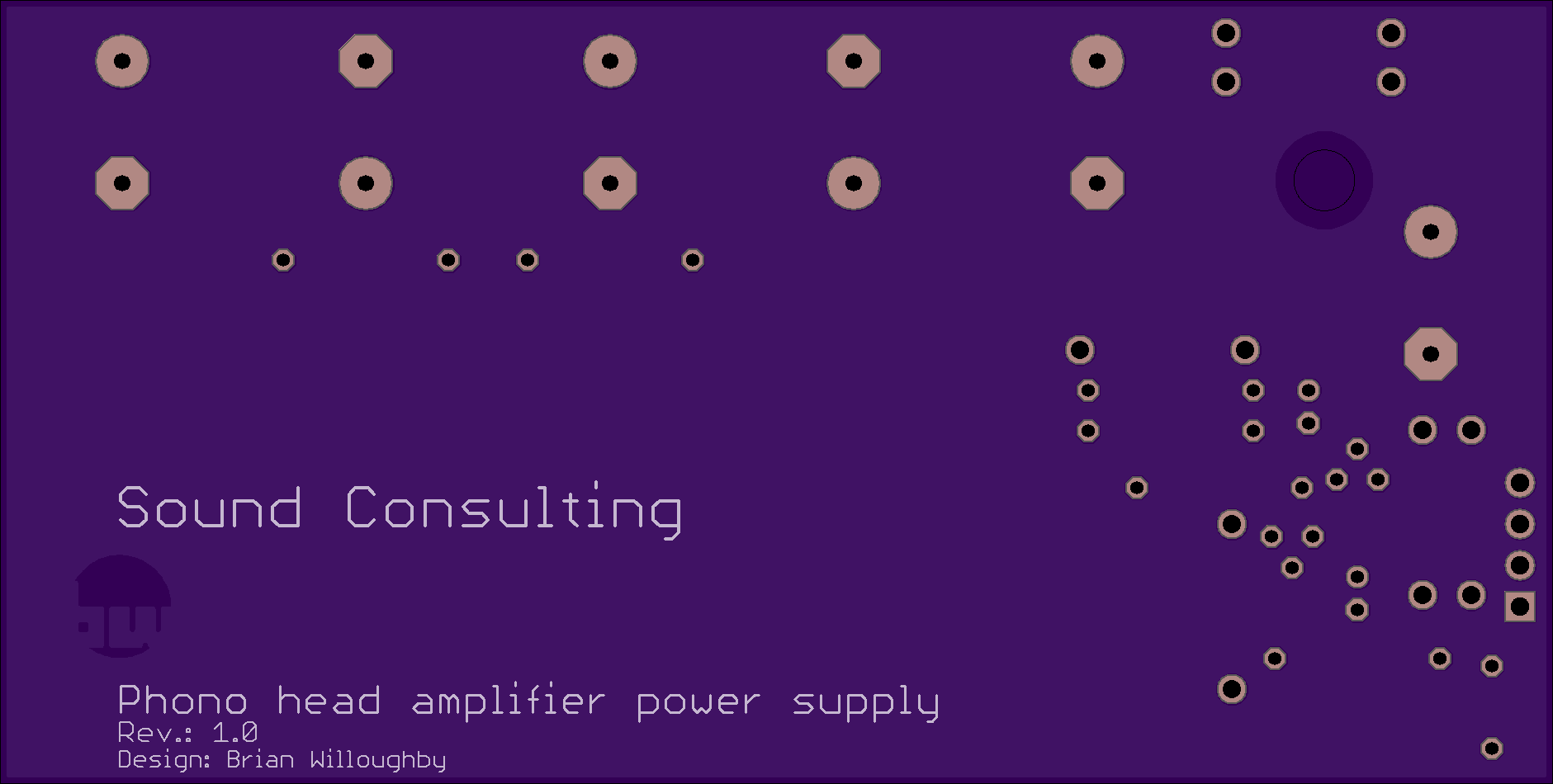
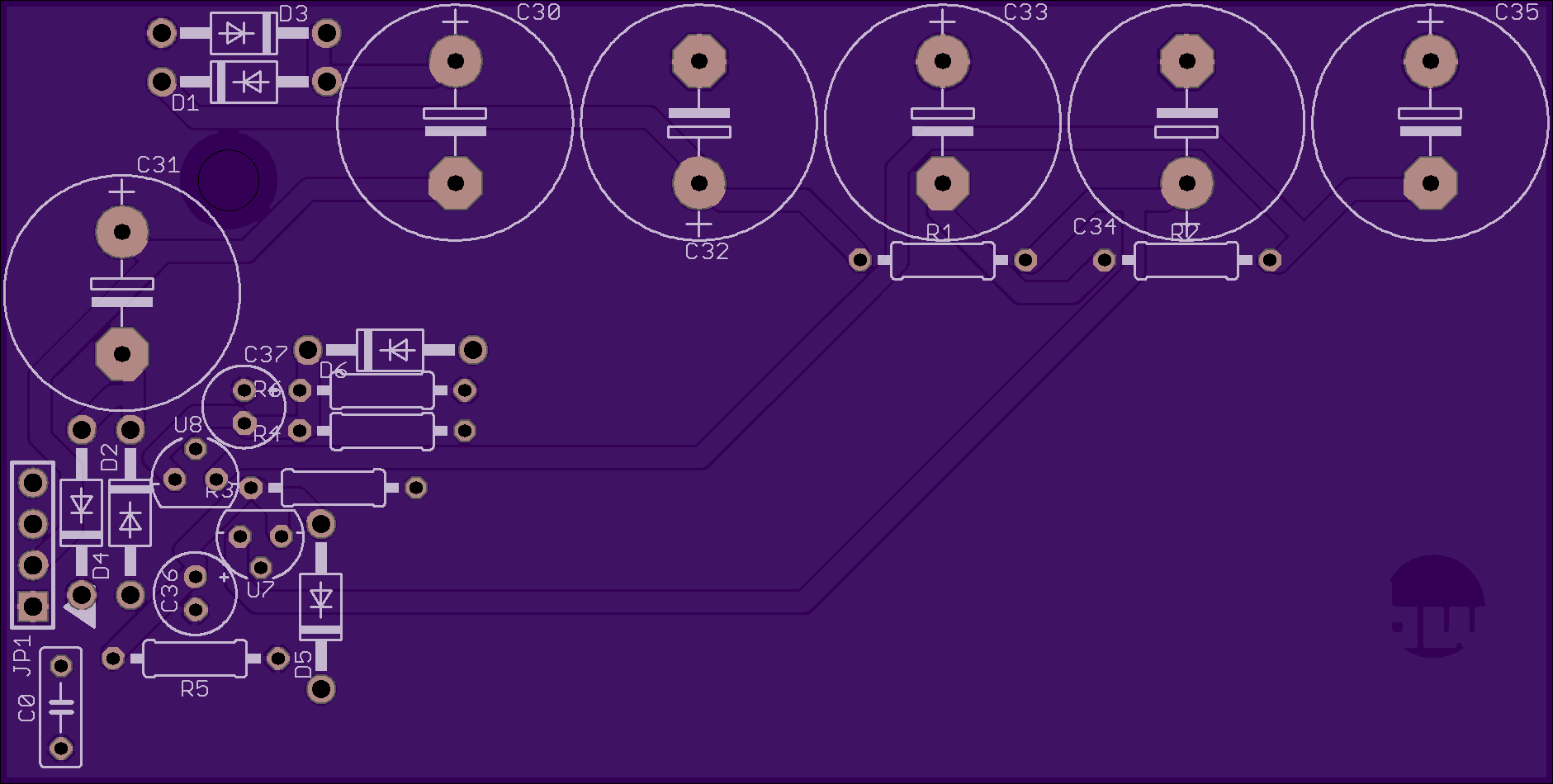
4 layer board of 3.76 x 1.90 inches (95.5 x 48.2 mm)
Uploaded:
February 05, 2019
Shared:
September 25, 2019
Total Price:
$71.30
Upper board takes single-tap AC and provides +/-17 V DC with significant filtering.
Upper board takes single-tap AC and provides +/-17 V DC with significant filtering.
MM phlat 1.0.5
author: rsdio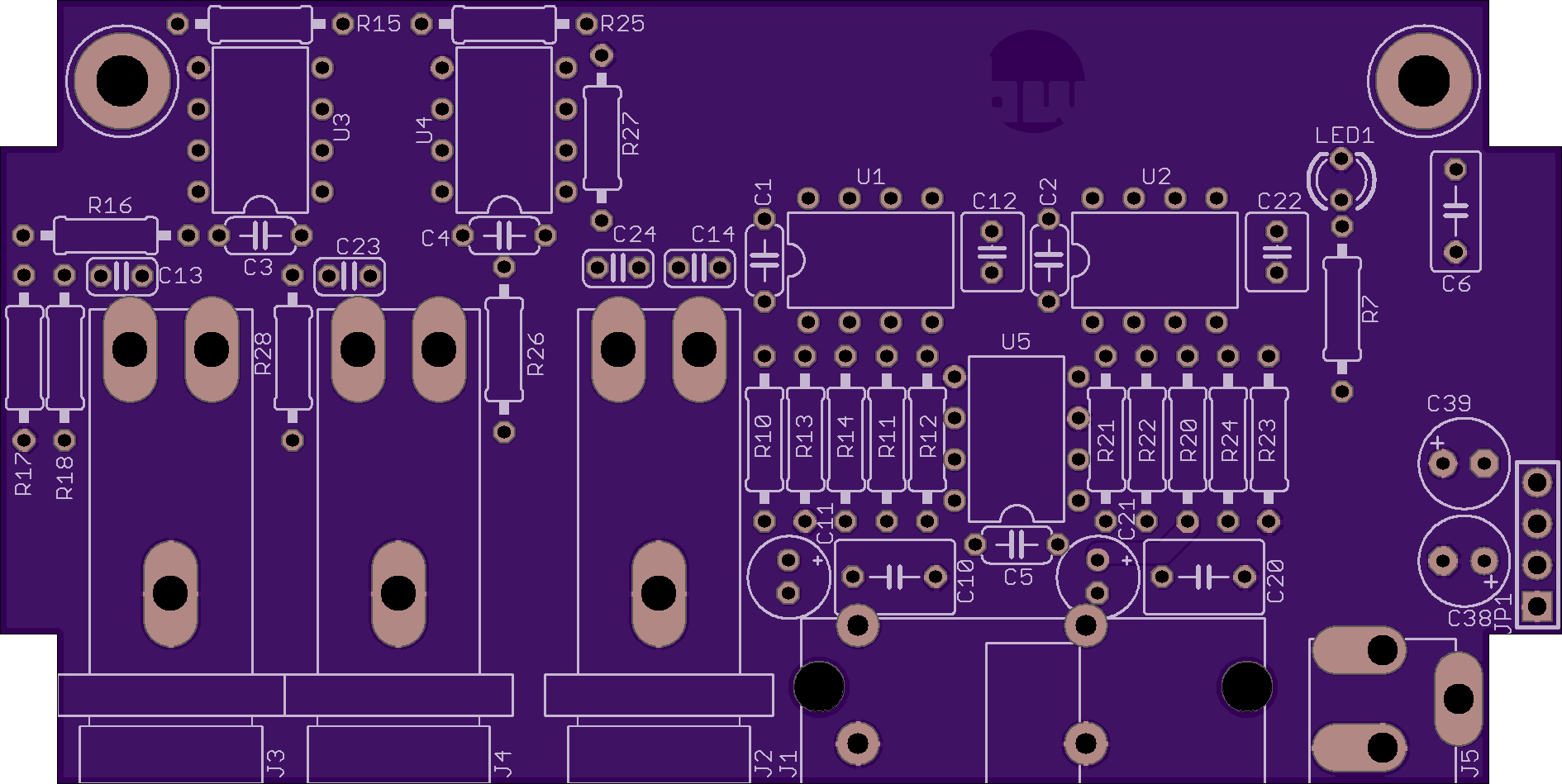
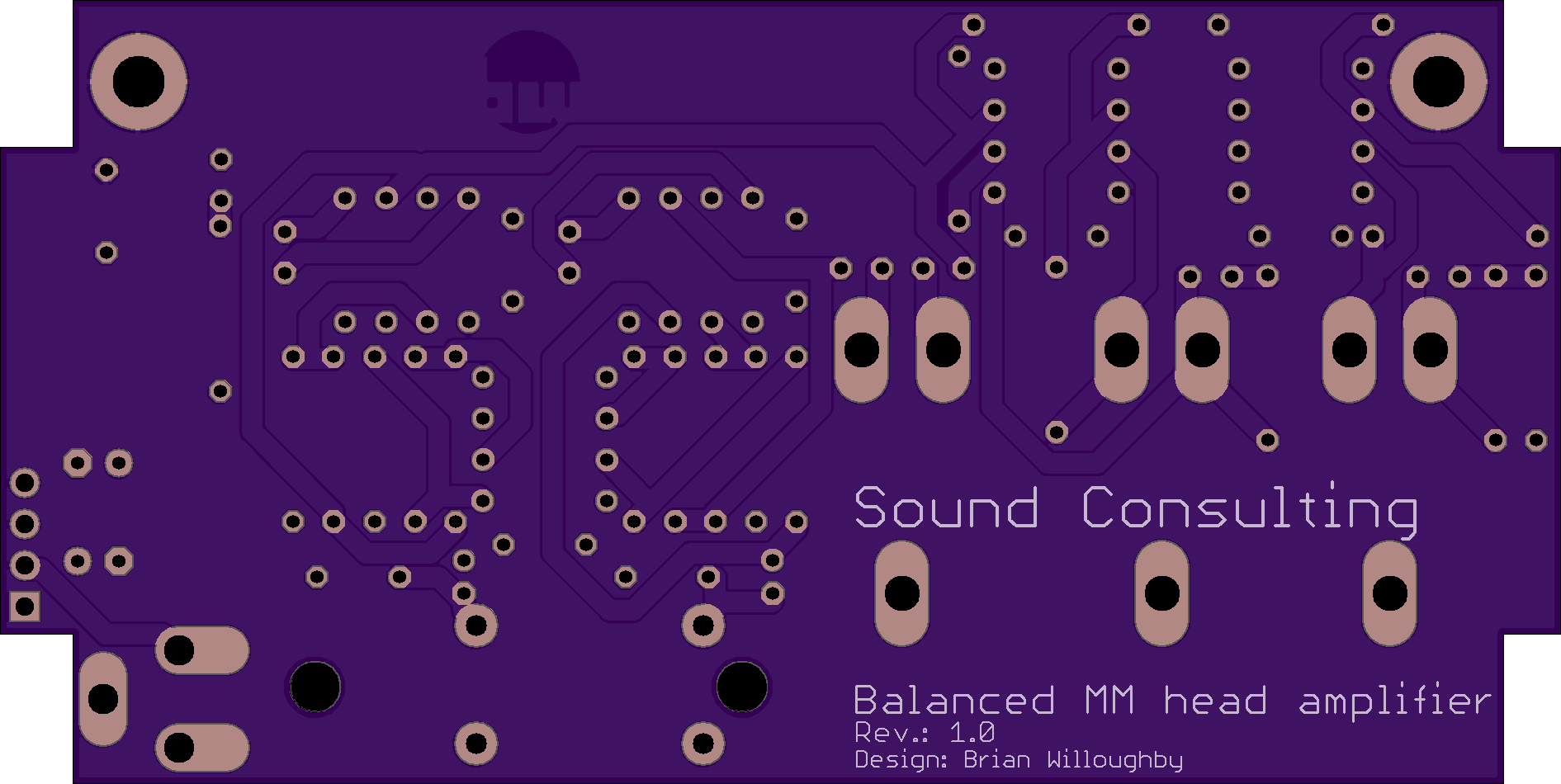
4 layer board of 3.78 x 1.90 inches (96.0 x 48.2 mm)
Uploaded:
February 06, 2019
Shared:
September 25, 2019
Total Price:
$71.70
Phono head amplifier with flat frequency response, designed for digitization of vinyl where RIAA equalization will be performed in the digital domain.
Phono head amplifier with flat frequency response, designed for digitization of vinyl where RIAA equalization will be performed in the digital domain.
esp32_flashboard_2019-09-08
author: djmason9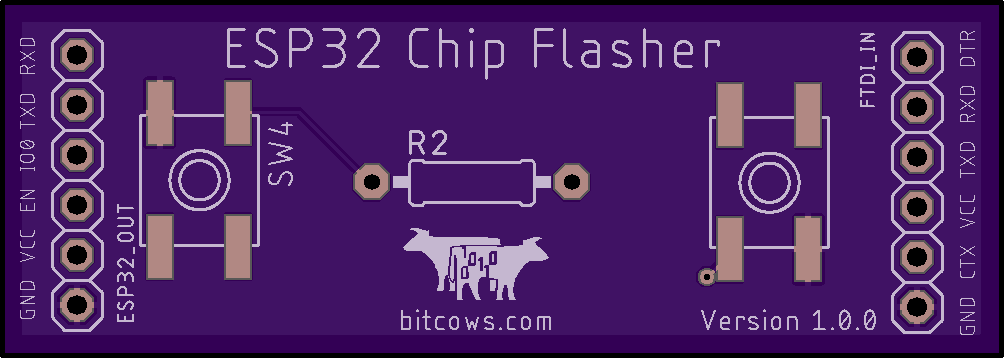
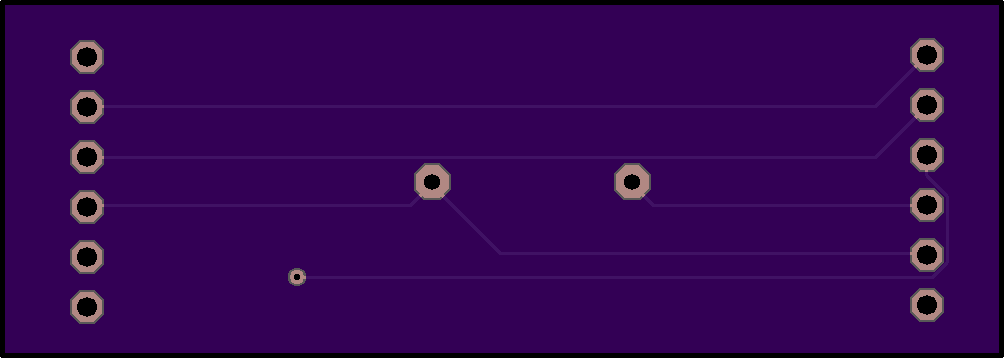
2 layer board of 2.01 x 0.72 inches (51.0 x 18.2 mm)
Uploaded:
September 08, 2019
Shared:
September 24, 2019
Total Price:
$7.15
A plug and play board for ftdi board and esp32 boards
A plug and play board for ftdi board and esp32 boards
connectorboard
author: ajdigregorio_work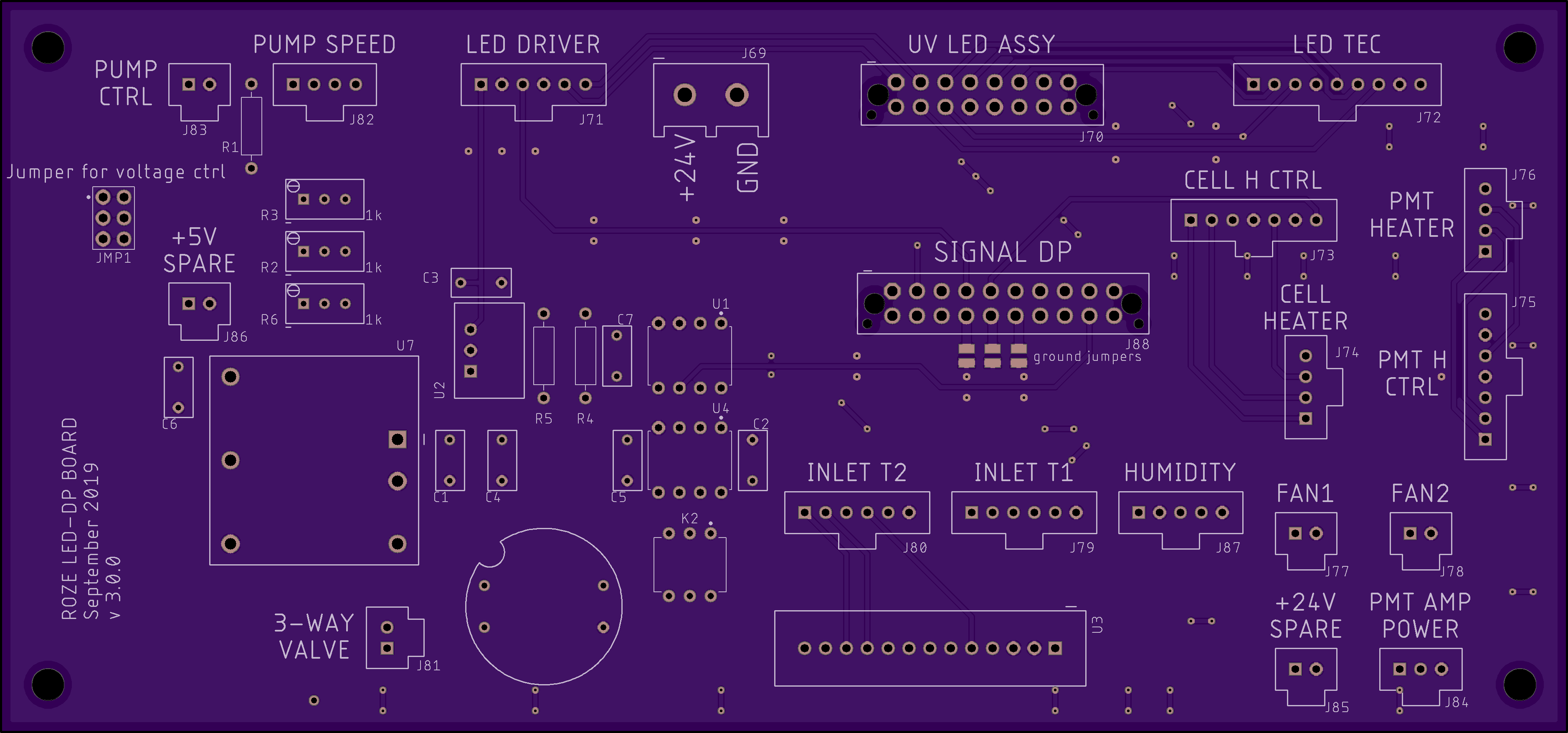
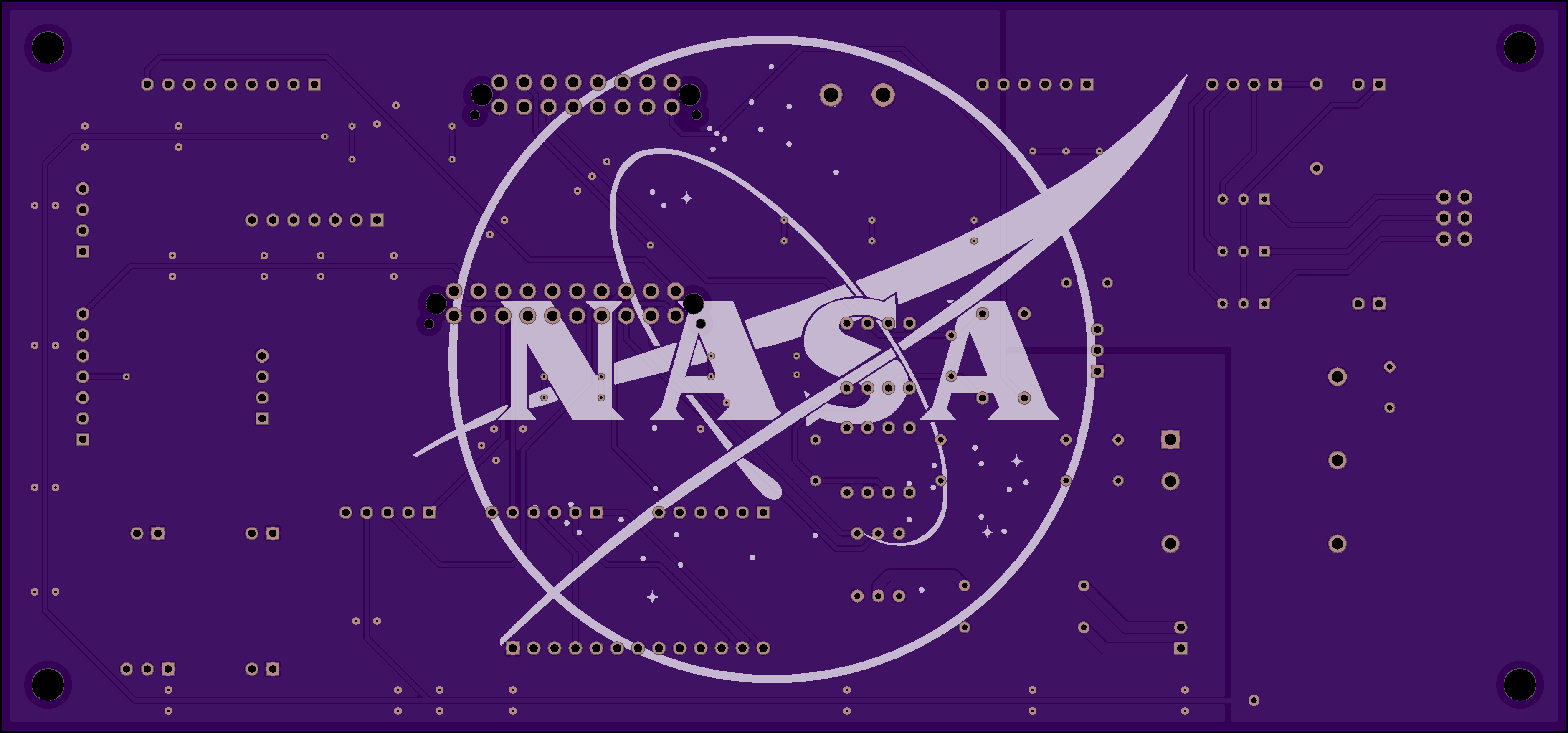
2 layer board of 7.51 x 3.51 inches (190.8 x 89.2 mm)
Uploaded:
September 24, 2019
Shared:
September 24, 2019
Total Price:
$131.85
version 3 of the connector board
version 3 of the connector board
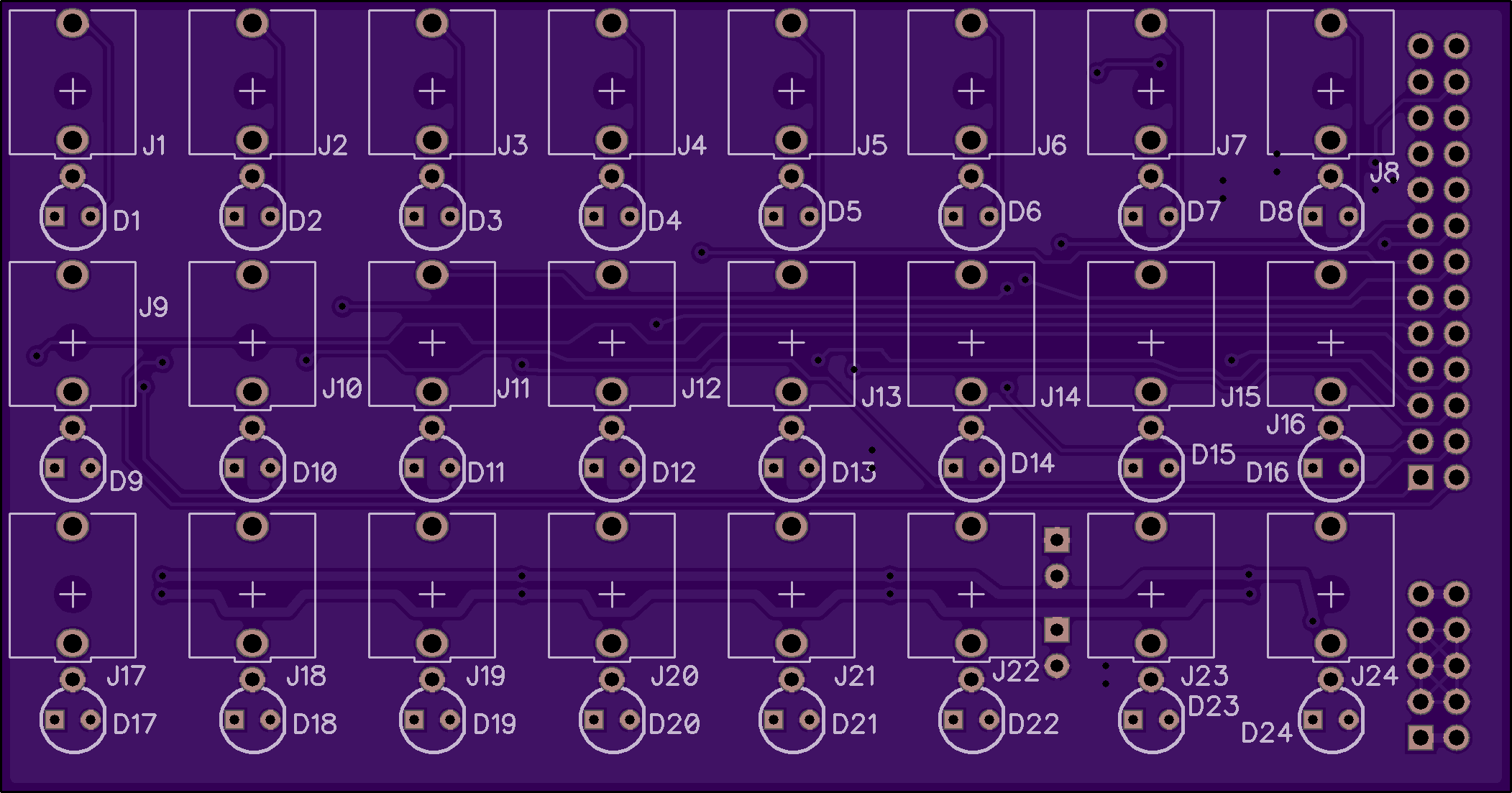
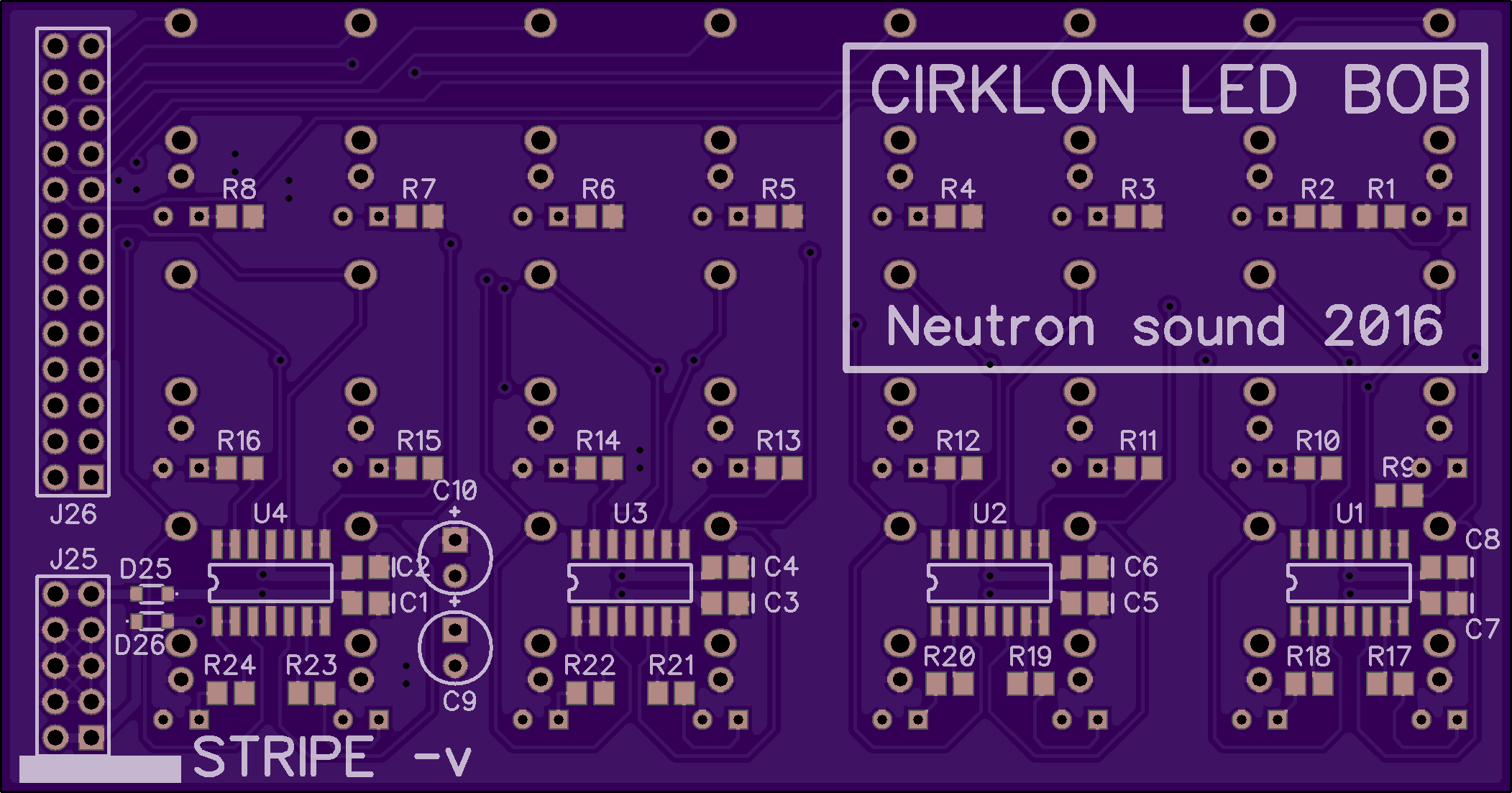
Coinslots Display (CS:R)
author: flthymcnsty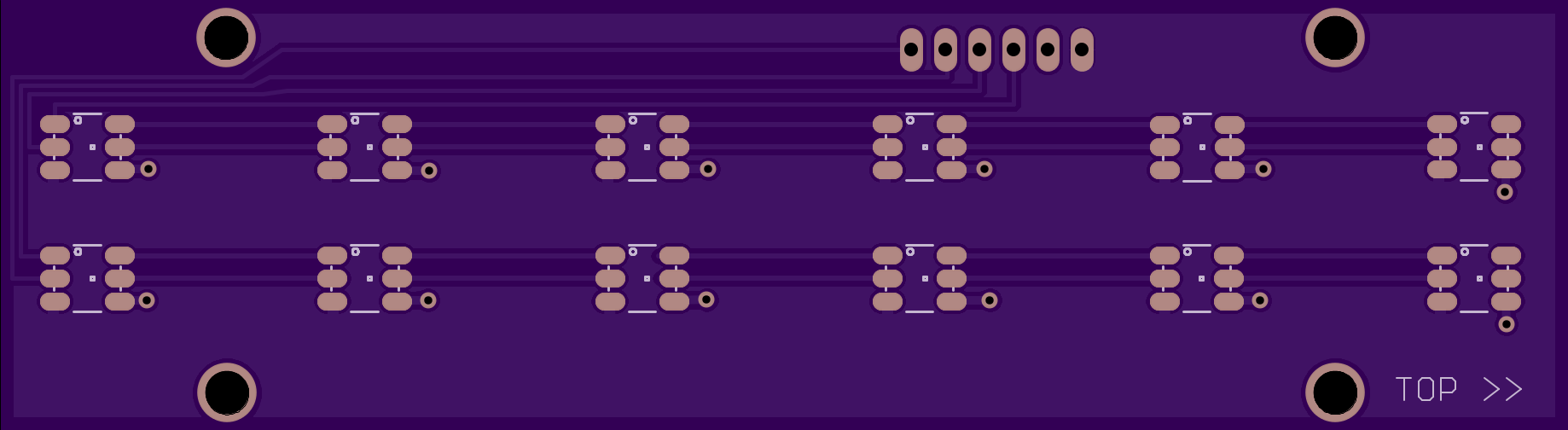
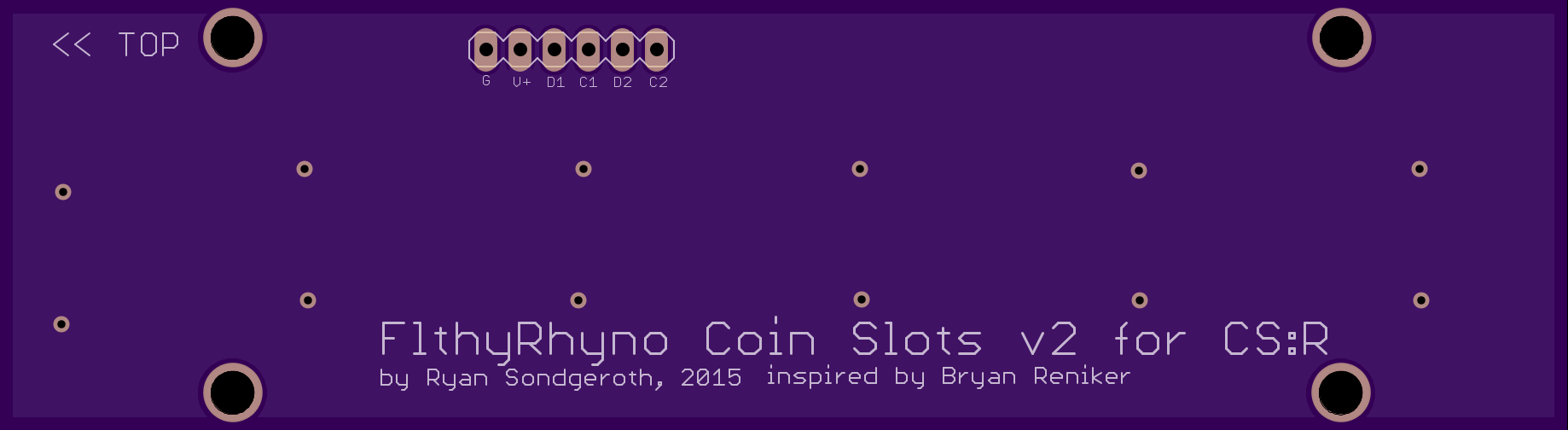
2 layer board of 4.60 x 1.26 inches (116.7 x 32.0 mm)
Uploaded:
March 07, 2015
Shared:
September 24, 2019
Total Price:
$28.95
Coinslots Display (CS:R)
Coinslots Display (CS:R)
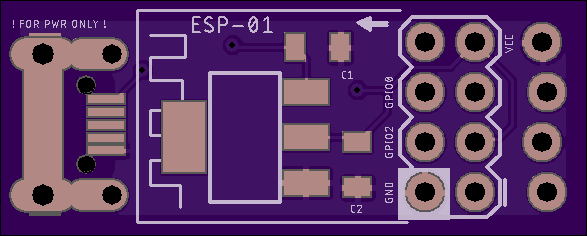
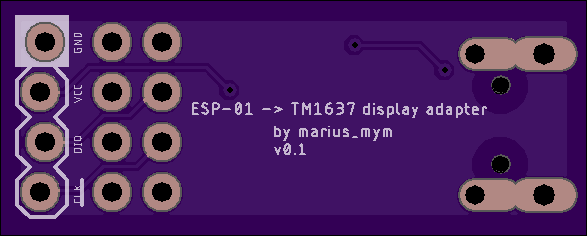
Coinslots Display
author: flthymcnsty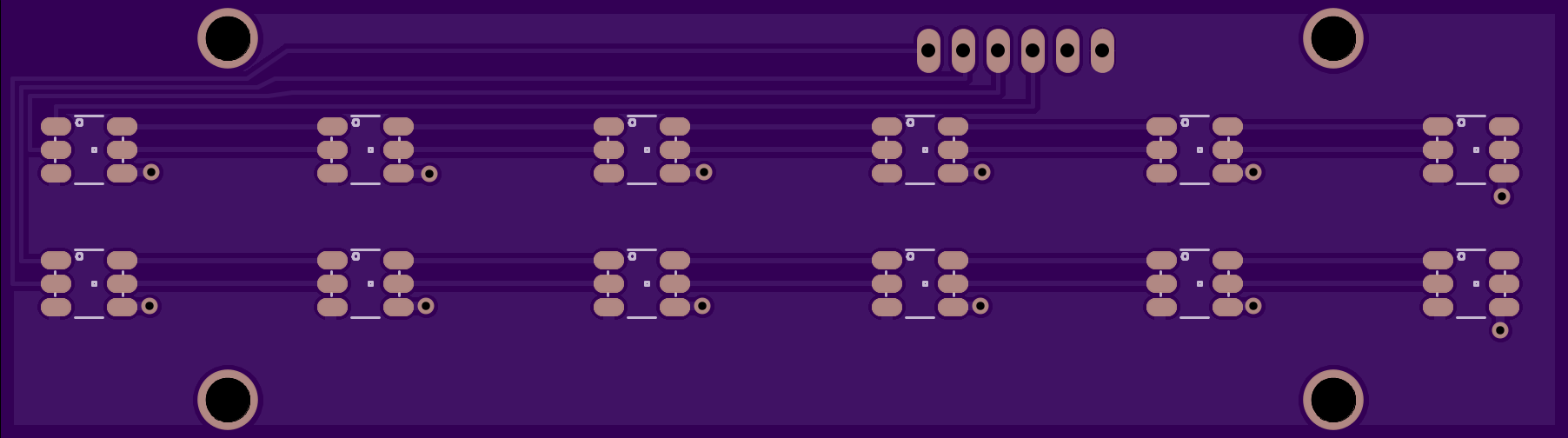
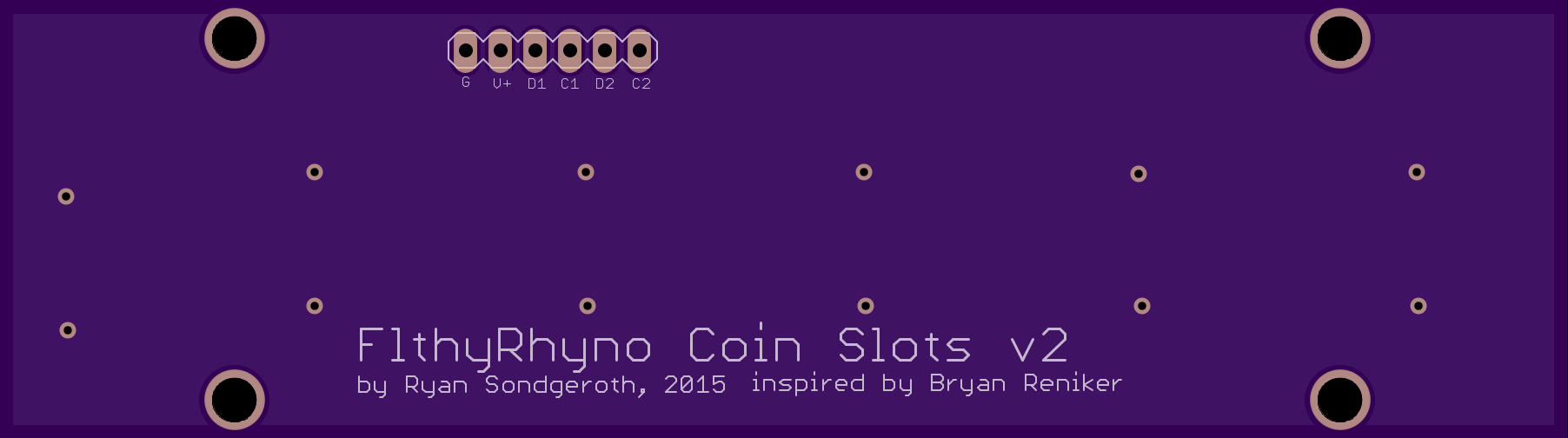
2 layer board of 4.51 x 1.26 inches (114.6 x 32.0 mm)
Uploaded:
February 23, 2015
Shared:
September 24, 2019
Total Price:
$28.40
PSIO Switchboard Reloaded
author: Voultar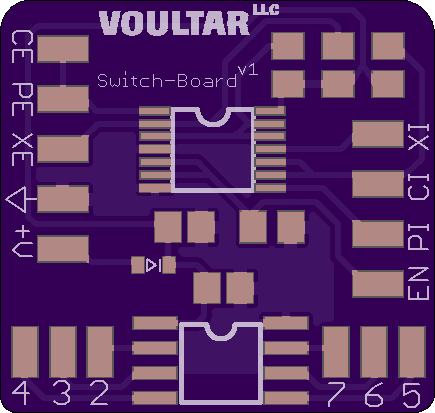

2 layer board of 0.87 x 0.83 inches (22.0 x 21.0 mm)
Uploaded:
September 23, 2019
Shared:
September 23, 2019
Total Price:
$3.55
This is my 1 hour design exercise. I’ve designed a singular PCB that combines Cybdyn’s PSIO switchboard with a SOP-8 PS1 chip. MM3 and Mayumi 4 are fully supported. Currently untested, but this should work just fine. Component map can be found in the ZIP file.
This is my 1 hour design exercise. I’ve designed a singular PCB that combines Cybdyn’s PSIO switchboard with a SOP-8 PS1 chip. MM3 and Mayumi 4 are fully supported. Currently untested, but this should work just fine. Component map can be found in the ZIP file.

Stanley A Meyer Taco Board GMS Speed Control Circuit Gerbers
author: SecureSupplies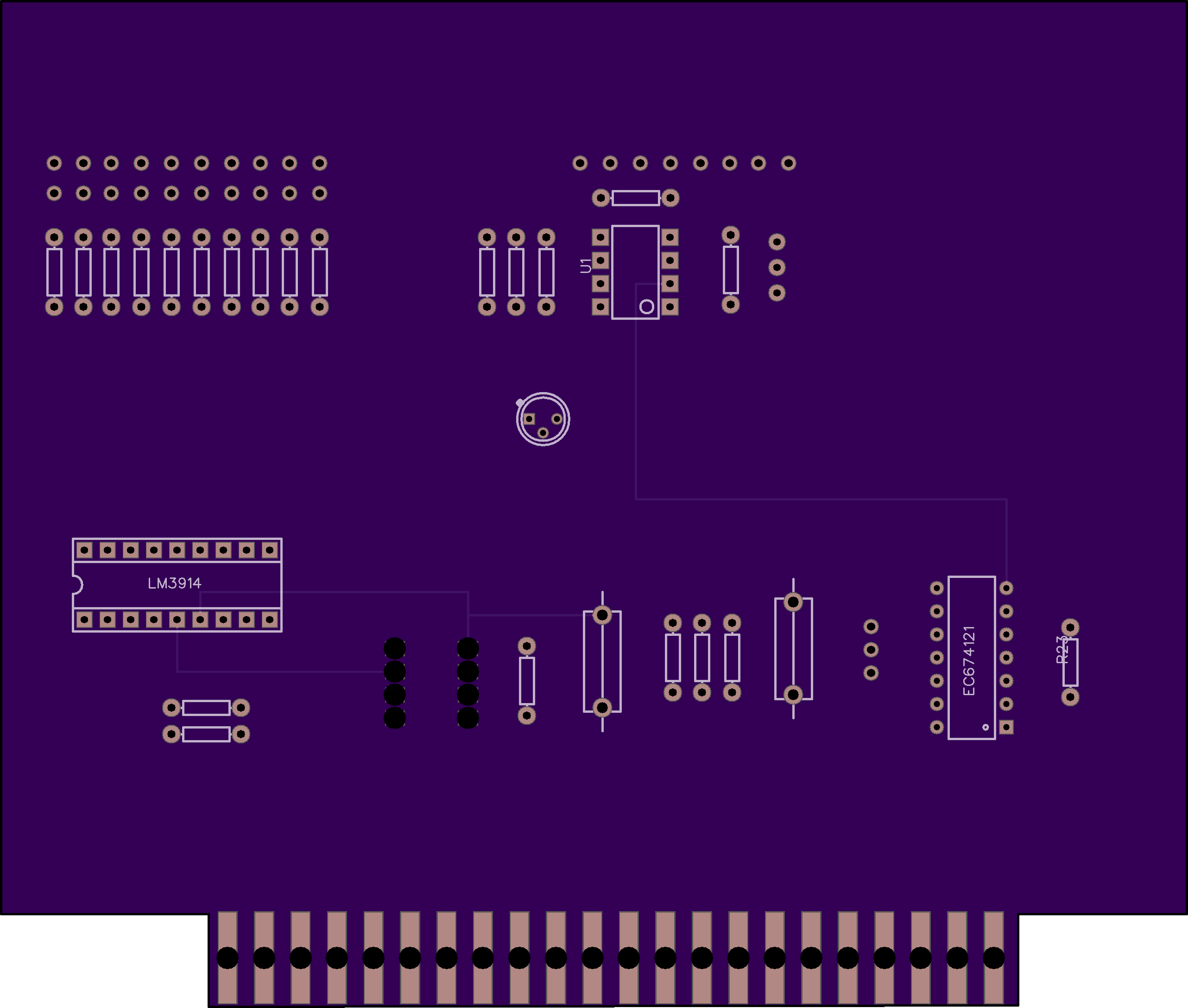

2 layer board of 5.13 x 4.35 inches (130.3 x 110.5 mm)
Uploaded:
September 23, 2019
Shared:
September 23, 2019
Total Price:
$111.55
Stanley A Meyer Taco Board GMS Speed Control Circuit Gerbers www.stanleyameyer.com
Stanley A Meyer Taco Board GMS Speed Control Circuit Gerbers www.stanleyameyer.com
X10 Control Board rev2
author: KC8UFV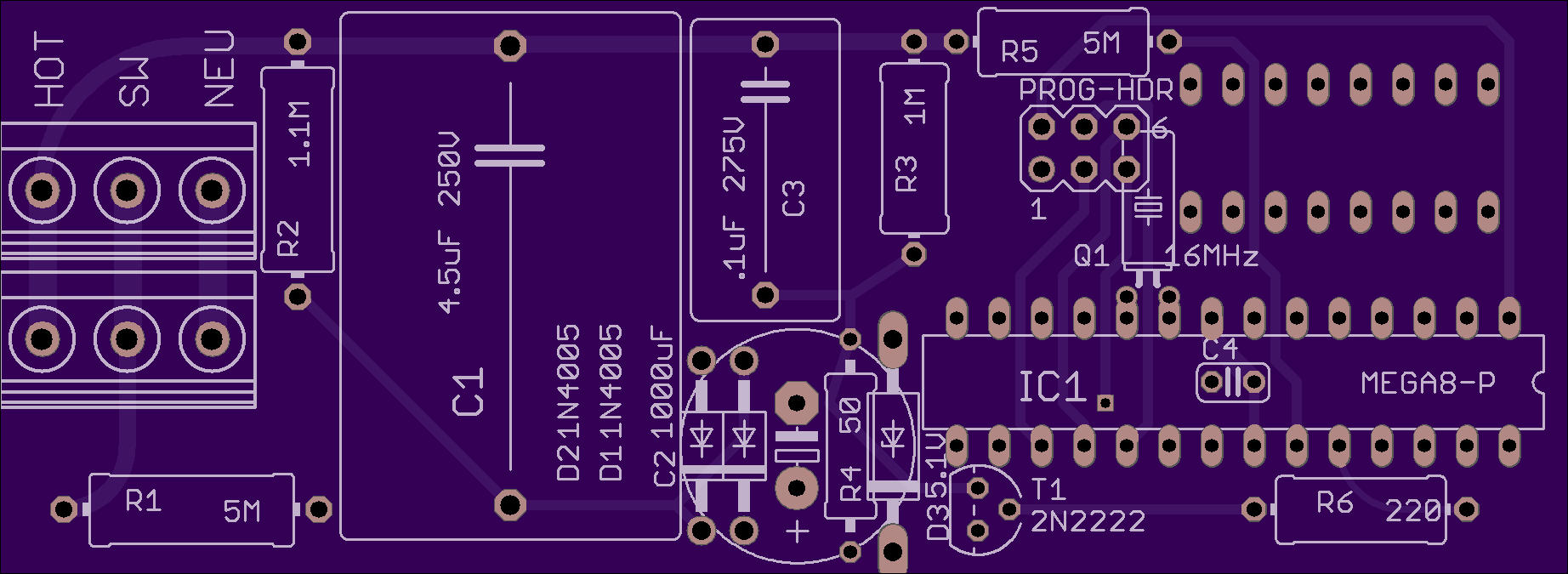

2 layer board of 3.69 x 1.35 inches (93.7 x 34.3 mm)
Uploaded:
September 21, 2019
Shared:
September 23, 2019
Total Price:
$24.85
Board sends an on/off command based on a switched pin turning on or off. The 3 pin headers are for the power interface - 1 (closest to edge) is the hot, 2 is the switched hot, and 3 is the neutral. This is based on the Microchip AN236 App Note, but using an ATMEGA328P for the main chip due to eas…
Show full description
Board sends an on/off command based on a switched pin turning on or off. The 3 pin headers are for the power interface - 1 (closest to edge) is the hot, 2 is the switched hot, and 3 is the neutral. This is based on the Microchip AN236 App Note, but using an ATMEGA328P for the main chip due to eas…
Show full description
SpeakerAdapter, version 1.0
author: ppelleti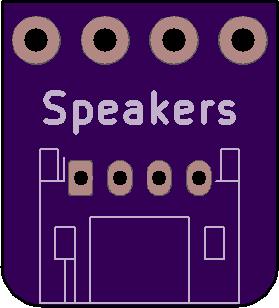
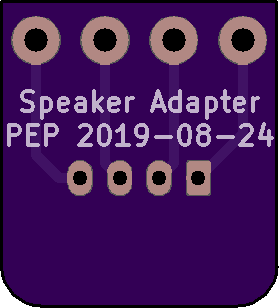
2 layer board of 0.56 x 0.62 inches (14.2 x 15.7 mm)
Uploaded:
August 25, 2019
Shared:
September 22, 2019
Total Price:
$1.70
Adapt Music Maker FeatherWing with amp to use speakers with JST-PH connector. See GitHub for more details.
Adapt Music Maker FeatherWing with amp to use speakers with JST-PH connector. See GitHub for more details.
Stanley A Meyer Steam Resonator v1
author: SecureSupplies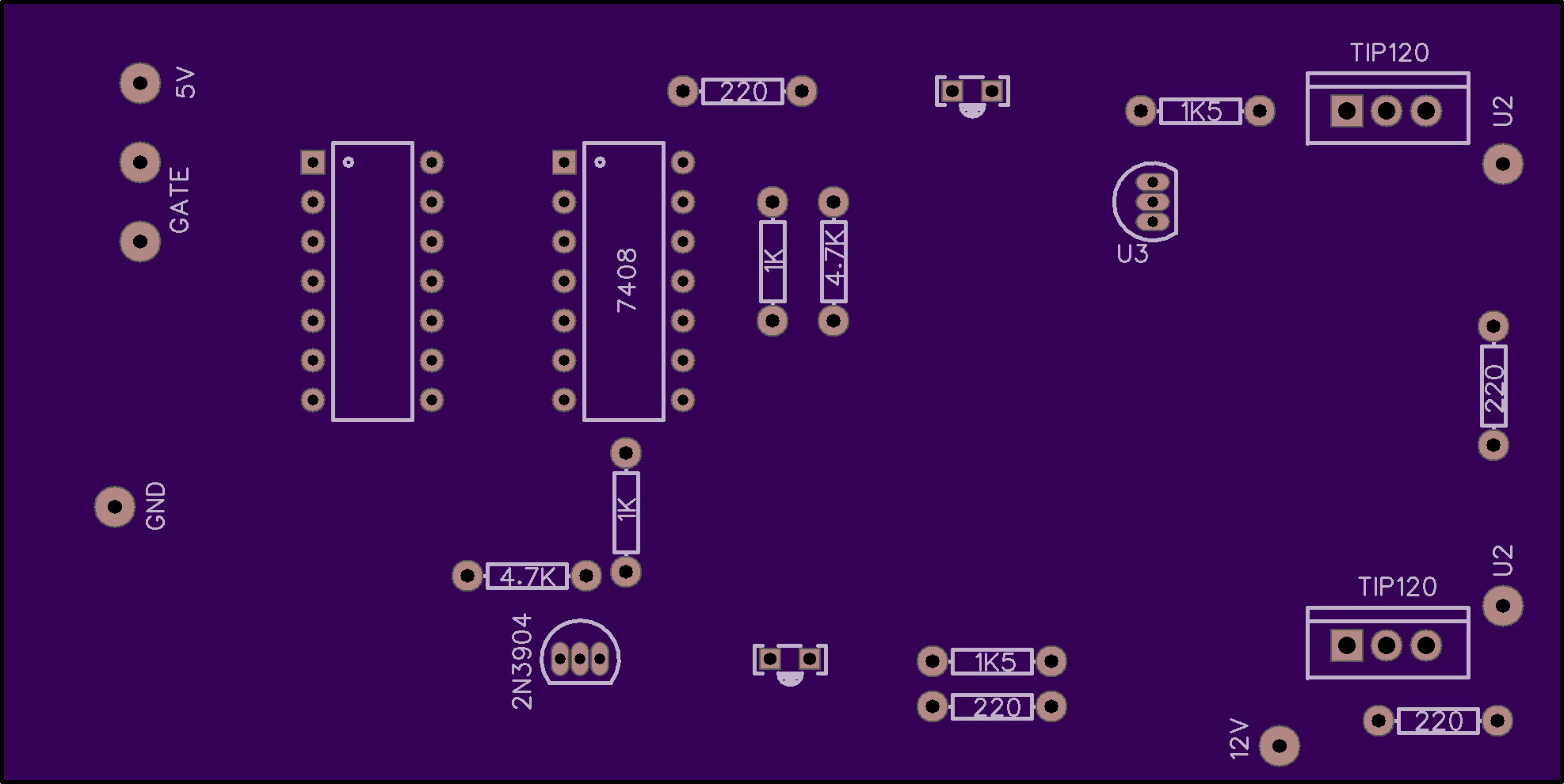

2 layer board of 3.95 x 1.98 inches (100.3 x 50.3 mm)
Uploaded:
September 22, 2019
Shared:
September 22, 2019
Total Price:
$39.05
Stanley A Meyer Steam Resonator this design comes from Some Work Posted by Tony Woodside years and years ago we work on the time delay in the circuit also www.stanleyameyer.com
Stanley A Meyer Steam Resonator this design comes from Some Work Posted by Tony Woodside years and years ago we work on the time delay in the circuit also www.stanleyameyer.com
